

Golden Retriever training is about structure, consistency, and understanding the breed’s psychology.
These dogs are intelligent, eager to please, and highly trainable, but without guidance, their energy can turn into pulling, jumping, and chaos.
Recognized by the American Kennel Club (AKC) and the United Kennel Club (UKC), the Golden Retriever belongs to the Sporting Group.
Originally bred in Scotland to retrieve game, they are wired to work closely with humans. That instinct makes them one of the easiest breeds to train when done correctly.
This guide covers everything from puppy development stages to adolescence regression, professional training decisions, and cost expectations in the USA, UK, Canada, Germany, and any other countries.
Are Golden Retrievers Easy to Train?
Yes. Golden Retrievers respond exceptionally well to positive reinforcement training because they are intelligent, food-motivated, and eager to please.
However, “easy to train” does not mean “low maintenance.” Their high energy and social nature require a consistent structure.
When to Start Training a Golden Retriever
Training should begin at 8 weeks of age. The early socialization window (8–16 weeks) is critical for shaping confidence and preventing fear-based behaviors.
Why Early Training Matters
- Prevents separation anxiety
- Builds impulse control
- Reduces leash reactivity
- Establishes routine
If you wait until adolescence (6–12 months), unwanted habits become harder to reverse.
Golden Retriever Training Timeline (Puppy to Adult)
| Age | Focus | Goals |
| 8–12 weeks | Socialization & potty training | Name response, crate comfort |
| 3–4 months | Basic obedience | Sit, stay, come |
| 4–6 months | Leash manners | Loose-leash walking |
| 6–12 months | Adolescence phase | Reliable recall |
| 12–24 months | Advanced training | Off-leash control, CGC prep |
Adolescent regression is common between 6 and 18 months. Your dog may “forget” commands. Stay consistent.
The 10 Best Ways to Train a Golden Retriever
The best way to train a Golden Retriever is through structured, reward-based consistency that combines obedience, mental stimulation, and gradual exposure to real-life distractions.
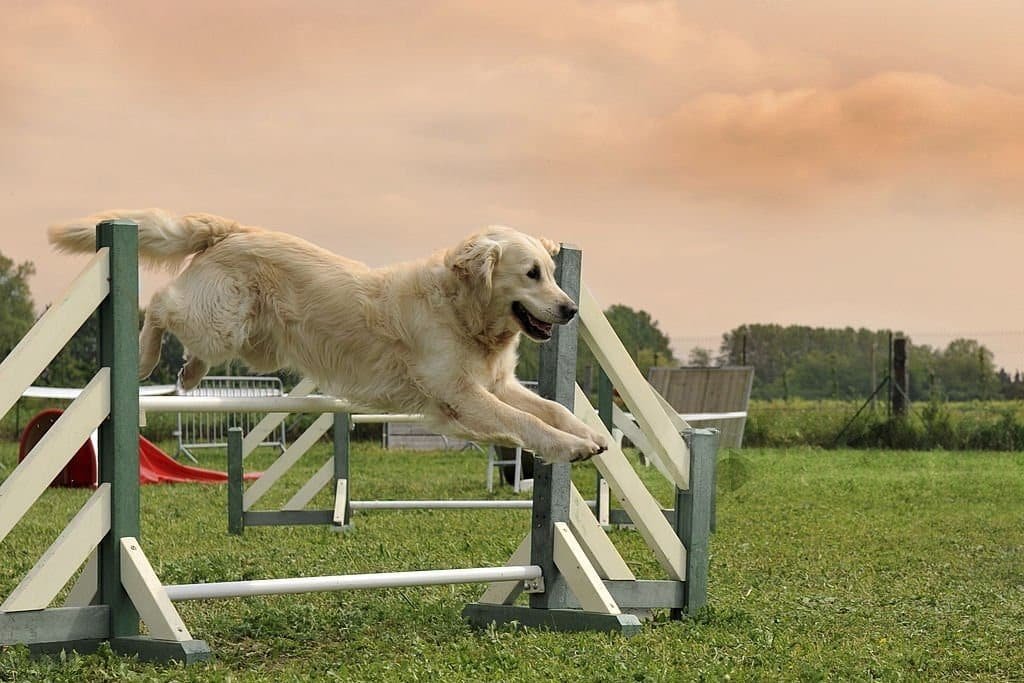
Here are 10 proven ways to train a Golden Retriever effectively:
1. Use Positive Reinforcement
Reward good behavior with treats, praise, or toys. This builds trust and motivates learning. Avoid punishment-based methods.
2. Start Training Early
Begin at 8 weeks. Early structure prevents bad habits and builds confidence during the socialization window.
3. Keep Sessions Short and Consistent
Train 5–10 minutes per session, 2–3 times daily. Short sessions improve focus and retention.
4. Focus on Recall First
Teach “Come” early and practice daily. Reliable recall can prevent dangerous situations outdoors.
5. Use a Clicker or Verbal Marker
Clicker training improves timing and clarity. A simple word like “Yes!” also works if consistent.
6. Practice Loose-Leash Walking Daily
Use a front-clip harness and stop walking when pulling begins. Reward slack leash behavior immediately.
7. Train in Increasing Distractions
Start indoors, then move to the yard, then public spaces. Gradual exposure strengthens reliability.
8. Teach Impulse Control Games
Exercises like “wait,” “stay,” and “leave it” build self-control and reduce jumping or excitement.
9. Provide Mental Stimulation
Incorporate puzzle feeders, scent games, and structured fetch. Mental work reduces destructive behavior.
10. Be Calm and Consistent During Adolescence
Between 6 and 18 months, expect testing behaviors. Stay patient and reinforce basics daily.
Organizations like the Association of Professional Dog Trainers and the International Association of Canine Professionals support structured, reward-based training methods for long-term success.
Step-by-Step: How to Train a Golden Retriever Puppy
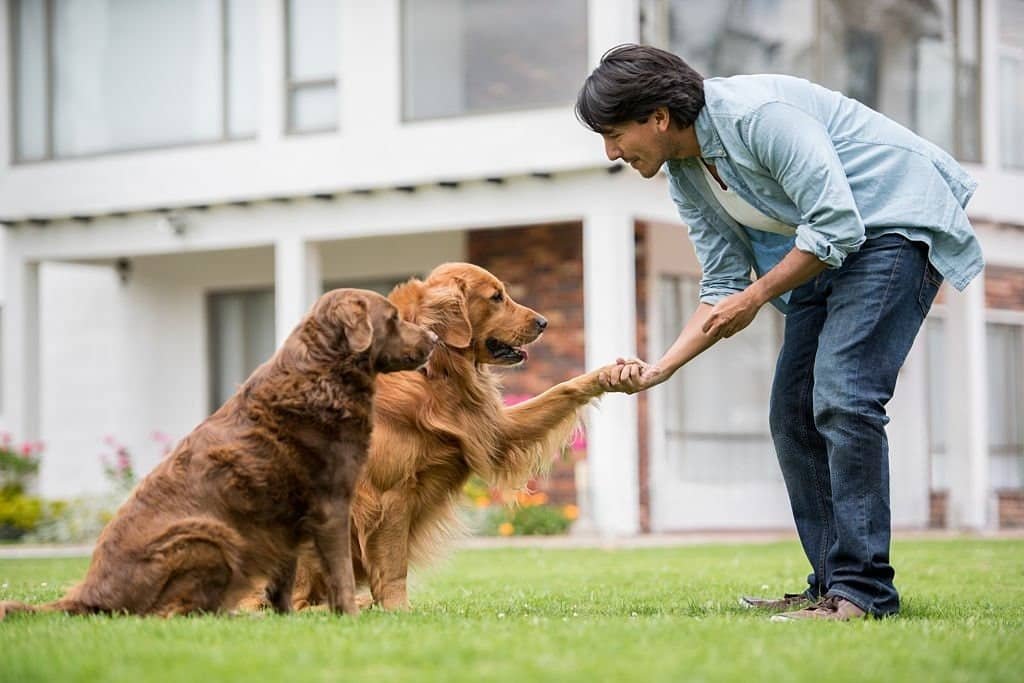
Step 1: Name Recognition
Say the puppy’s name → reward eye contact.
Step 2: Teach “Sit”
- Hold the treat near the nose
- Lift upward
- When the hips touch the floor, reward
Step 3: Crate Training
Introduce crate positively. Never use it as punishment.
Step 4: Recall Command
Start indoors:
- Say name + “Come”
- Reward generously
- Increase distractions gradually
Reliable recall is life-saving.
7 Golden Retriever Training Tools You’ll Need
- 6-foot leash
- Front-clip harness
- Long lead for recall
- Treat pouch
- Clicker
- Crate
- Puzzle feeders
Avoid retractable leashes during training.
Common Golden Retriever Behavior Problems
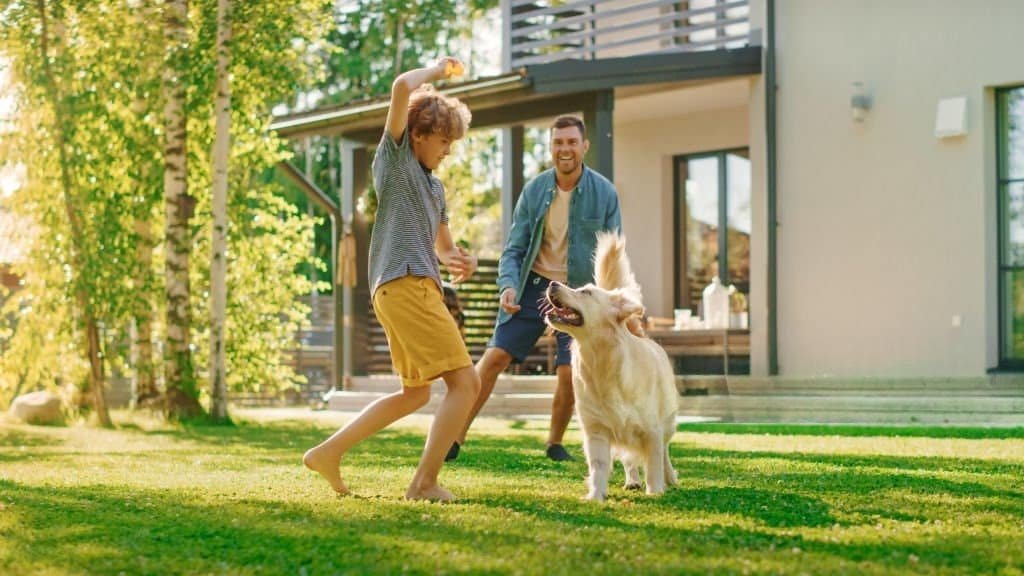
| Behavior Problem | Common Cause | When It Happens | Practical Solution | Prevention Strategy |
|---|---|---|---|---|
| Jumping on people | Overexcitement, attention-seeking | Puppy stage & adolescence | Ignore jumping, reward calm “four paws on floor” | Teach “sit” for greetings |
| Leash pulling | High energy, lack of impulse control | 4–12 months | Stop walking when pulling starts; reward loose leash | Use front-clip harness & daily leash practice |
| Excessive chewing | Teething or boredom | 3–6 months (teething) | Provide durable chew toys; supervise | Mental stimulation + structured exercise |
| Not listening to commands | Distractions or adolescent regression | 6–18 months | Reduce distractions; increase reward value | Short daily training sessions |
| Separation anxiety | Over-attachment, lack of independence training | Puppy stage onward | Gradual alone-time training | Avoid dramatic departures & arrivals |
| Barking for attention | Learned behavior | Any age | Ignore barking; reward quiet behavior | Reinforce calm behavior consistently |
| Digging | Excess energy or boredom | Adolescence | Redirect to structured play or scent games | Daily mental + physical exercise |
| Resource guarding (rare but possible) | Insecurity | Puppy stage | Trade-up game with high-value treats | Ignore jumping, reward calm “four paws on floor.” |
Crate Training & Housebreaking
Crate training supports:
- Potty training
- Safety
- Reduced anxiety
General rule:
A puppy can hold its bladder for about 1 hour per month of age.
If accidents happen, it’s usually a schedule issue—not disobedience.
Leash Training & Stopping Pulling
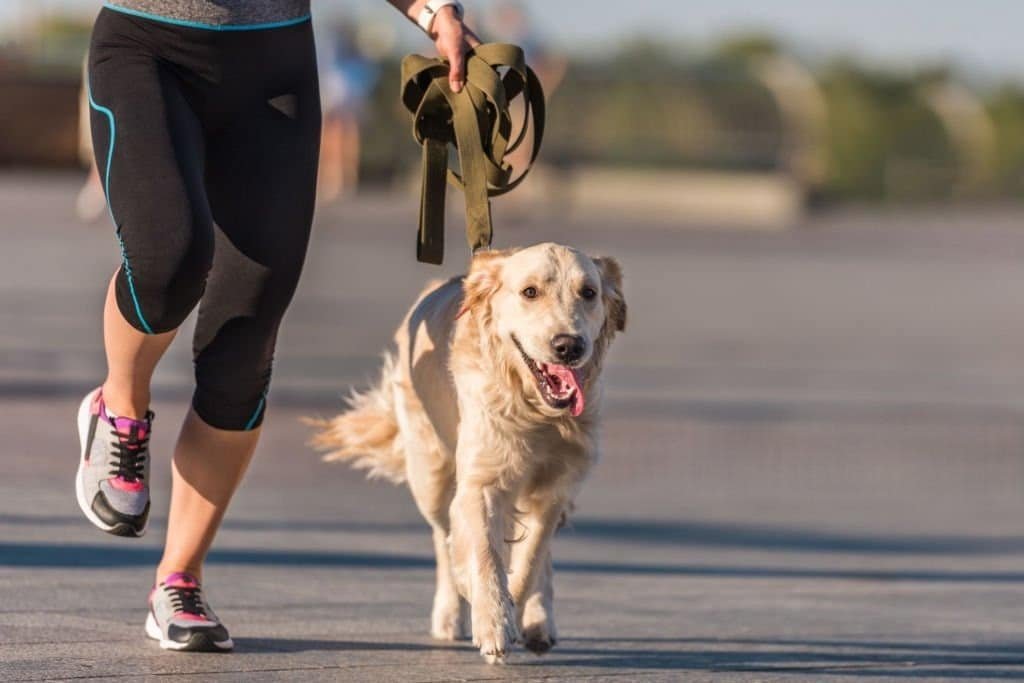
Golden Retrievers are enthusiastic walkers.
How to Stop Leash Pulling
- Use a front-clip harness
- Stop walking when pulling begins
- Resume when the leash slackens
- Reward eye contact
Consistency is key. Pulling often worsens during adolescence.
Mental Stimulation: The Missing Piece
Many behavior problems stem from boredom.
Golden Retrievers require:
- 20–30 minutes of structured training daily
- Puzzle feeders
- Scent games
- Fetch sessions
Mental fatigue is more powerful than physical exhaustion.
30–60–90 Day Training Plan
| Time Frame | Primary Focus | Commands to Master | Behavior Goals | Owner Action Plan |
|---|---|---|---|---|
| First 30 Days | Foundation & bonding | Sit, Come, Name response | Potty routine, crate comfort | 5–10 min sessions, 2–3x daily |
| Days 31–60 | Impulse control & leash manners | Stay, Leave It, Loose-leash walking | Reduced pulling & jumping | Practice in low-distraction outdoor areas |
| Days 61–90 | Reliability & distractions | Recall under distraction, Wait | Calm greetings, better focus outdoors | Introduce park-level distractions gradually |
| Ongoing (After 90 Days) | Advanced skills | Off-leash recall, Heel | Consistent obedience | Consider CGC prep or group classes |
DIY vs Professional Trainer: Decision Guide
Train at Home If:
- Basic obedience only
- No aggression
- You can practice daily
Hire a Professional If:
- Severe anxiety or reactivity
- No progress after 8 weeks
- Preparing for service dog certification
Search options include:
- Certified dog trainers
- Veterinary-recommended trainers
- Obedience schools
- Board and train facilities
- Service dog training centers
Board and Train vs Private Lessons
| Option | Best For | Pros | Cons |
| Private lessons | Owner involvement | Personalized | Slower progress |
| Board & Train | Intensive training | Faster results | Expensive |
Board and train programs are useful but require follow-up at home.
Cost of Golden Retriever Training (Tier 1 Countries)
USA
- Group classes: $100–$300 per course
- Private sessions: $50–$150/hour
UK
- £80–£250 per course
Canada (Toronto example)
- CAD $120–$350 per course
Germany
- €100–€400 depending on program
Costs vary by city. Searches like “best golden retriever trainer in New York” or “puppy classes London price” show wide ranges.
Advanced Training Pathways
Golden Retrievers excel in:
- Therapy dog training
- Service dog roles
- Obedience competition
- Search and rescue
The AKC’s Canine Good Citizen (CGC) certification is a respected milestone.
Working roles require structured programs and, often, professional supervision.
What If Training Fails?
If your Golden Retriever is not listening:
- Check consistency
- Increase reward value
- Reduce distractions
- Shorten sessions to 5–10 minutes
If aggression appears, consult a certified professional immediately.
FAQs
How long does Golden Retriever training take?
Basic obedience takes 2–3 months. Full maturity control can take up to 2 years.
Can you train a Golden Retriever without a professional trainer?
Yes, for basic commands. Complex behavior issues may require expert guidance.
Are Golden Retrievers stubborn?
Not typically. Inconsistency or adolescence often causes temporary setbacks.
What is the best age to start obedience training?
8 weeks old.
Do Golden Retrievers need mental stimulation daily?
Yes. Without it, destructive behavior increases.
Should I use a collar or a harness?
A front-clip harness is safer for pullers.
Is board and train worth it?
It can be, especially for intensive behavior modification, but follow-up practice is critical.
How often should I train my Golden Retriever?
2–3 short sessions daily are ideal.
When Do Golden Retrievers Calm Down?
Most Golden Retrievers mature between 18 and 24 months. Energy levels drop gradually, but structured exercise remains essential.
Conclusion
Golden Retriever training is a long-term investment in structure, patience, and consistency. Start at 8 weeks, use positive reinforcement, and focus on both obedience and mental stimulation.
Whether you train at home or hire a professional in the USA, UK, Canada, Germany, or any other country, the key remains the same: consistency builds reliability.
With the right roadmap, your Golden Retriever can grow into a calm, confident, and exceptionally well-mannered companion.