



Golden Retrievers are among the most popular large-breed dogs in the world. Originally developed as sporting gun dogs, they are intelligent, athletic, and deeply people-oriented.
But their friendly temperament doesn’t mean low maintenance. Understanding Golden Retriever health, growth patterns, and exercise requirements is essential if you want your dog to live a long, active life.
This guide covers what to expect at every stage — from puppy development to senior care — including weight standards, disease prevention, calorie planning, and national cost considerations.
Golden Retriever Health & Lifespan
Golden Retrievers typically live 10–12 years. Lifespan depends on genetics, nutrition, preventive veterinary care, and weight control.
Breed attributes:
- Weight range:
- Males: 65–75 lbs (29–34 kg)
- Females: 55–65 lbs (25–29 kg)
- Height: 21.5–24 inches at the shoulder
- Coat: Dense double coat
- Activity level: High
- Temperament: Friendly, intelligent, trainable
They are classified as large breed sporting dogs by the American Kennel Club and recognized by the Kennel Club in the UK.
Golden Retriever Growth Stages by Age

When Do Golden Retrievers Stop Growing?
Most Golden Retrievers reach full height around 12 months but continue filling out until 18–24 months.
Because they are large-breed dogs, growth plates close later than those of smaller breeds, which means overfeeding or over-exercising during puppyhood can increase joint stress.
Growth Timeline
| Age | Stage | Focus |
| 0–8 weeks | Neonatal | Nursing & immunity |
| 8–16 weeks | Early puppy | Vaccinations, socialization |
| 4–9 months | Rapid growth | Controlled calories |
| 10–18 months | Adolescent | Joint protection |
| 7+ years | Senior | Mobility & metabolic health |
Golden Retriever Weight by Age
If you’re wondering, “How much should a 6-month-old Golden Retriever weigh?” here’s a general guide:
| Age | Male | Female |
| 3 months | 22–30 lbs | 20–28 lbs |
| 6 months | 45–55 lbs | 35–50 lbs |
| 12 months | 60–70 lbs | 55–65 lbs |
| 24 months | 65–75 lbs | 55–65 lbs |
Weight varies based on lineage (field vs show lines), nutrition, and activity level.
Male vs Female Differences
- Males tend to grow slightly taller and heavier.
- Females mature marginally faster.
- Body composition differs — males often develop broader heads and chests.
Monitoring Healthy Growth
Use the Body Condition Score (BCS)
Veterinarians use a 1–9 Body Condition Score system.
Healthy signs:
- Visible waist when viewed from above
- Ribs easily felt but not visible
- Abdomen tucked when viewed from the side.
Obesity in dogs increases the risk of joint problems and heart strain.
Calorie Requirements & Feeding Strategy
Golden Retriever nutrition must balance protein, fat, and controlled calcium levels.
Puppy Feeding
- Use large breed puppy formula.
- Ensure compliance with the Association of American Feed Control Officials (AAFCO) in the US.
- UK owners should verify that standards align with The Kennel Club’s health guidance.
Why Controlled Growth Matters
Excess calories during rapid growth increase stress on growth plates and may worsen canine hip dysplasia and elbow dysplasia.
Basic Calorie Formula (RER/MER)
Resting Energy Requirement (RER):
70 × (body weight in kg ^ 0.75)
Multiply by activity factor:
- Puppy: 2–3× RER
- Adult active dog: 1.6–2× RER
- Senior: 1.2–1.4× RER
Your veterinarian can refine this for your individual dog.
How Much Exercise Does a Golden Retriever Need?
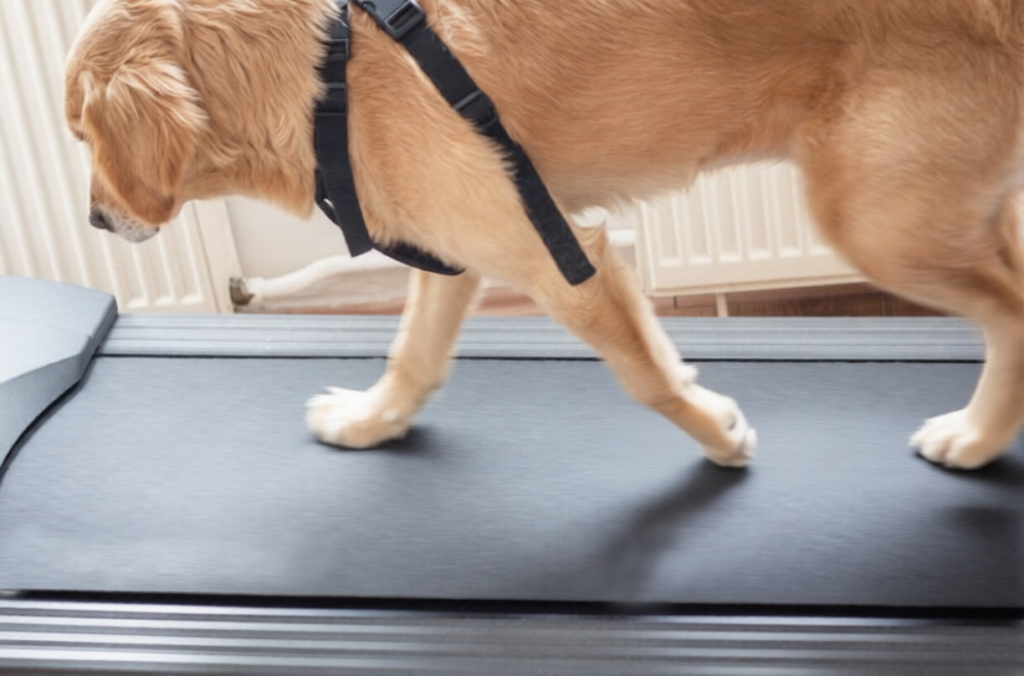
Adult Golden Retrievers need 60–120 minutes of daily exercise.
This includes physical movement and mental stimulation.
Puppy Exercise Rule
Use the “5-minute rule”:
5 minutes of structured exercise per month of age, twice daily.
Example:
- 4-month-old puppy → 20 minutes × 2 per day
Avoid:
- Long-distance running
- Repetitive high-impact jumping
- Forced stair climbing
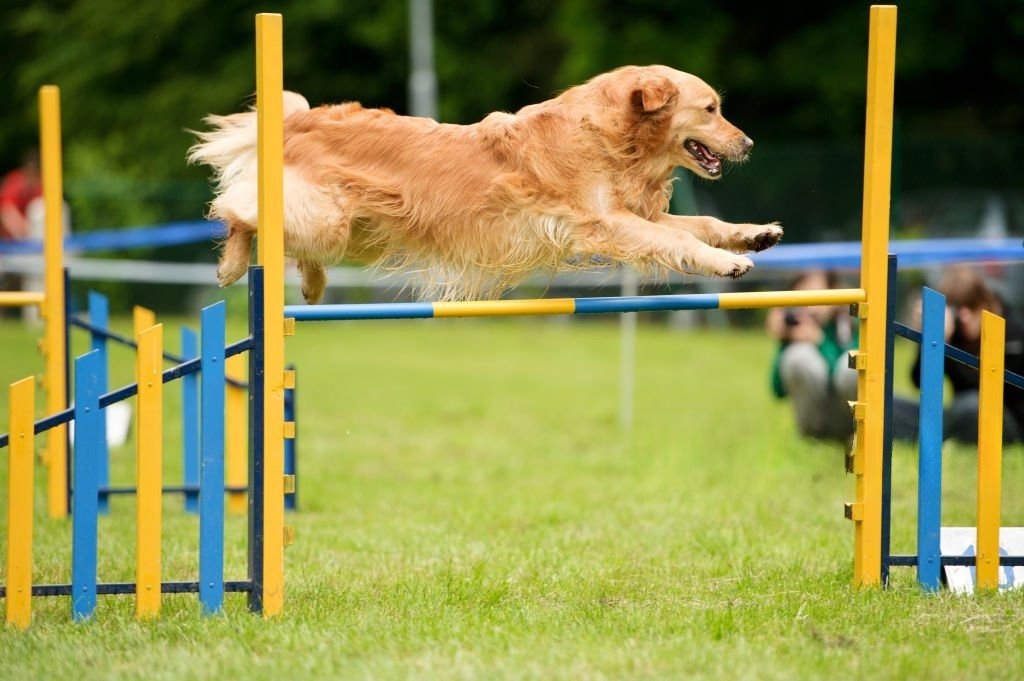
Golden Retriever Exercise by Age Chart
| Age | Exercise Type | Duration |
| 2–4 months | Short walks + play | 15–20 mins twice daily |
| 5–9 months | Controlled walks + training | 30–45 mins daily |
| 10–18 months | Increased endurance | 60 mins daily |
| Adult | Walks, fetch, swim | 60–120 mins daily |
| Senior | Low-impact walks | 30–60 mins daily |
Swimming is ideal because it reduces joint stress.
Mental Stimulation Requirements
Golden Retrievers are working dogs. Without cognitive engagement, they may develop destructive behavior.
Effective stimulation:
- Obedience training
- Scent games
- Puzzle feeders
- Agility drills
- Retrieval games
10 Common Golden Retriever Health Problems
1. Hip Dysplasia
What it is: A genetic condition where the hip joint doesn’t fit properly into the socket.
Why it matters: Leads to arthritis and chronic pain over time.
Signs:
- Limping
- Difficulty rising
- Bunny-hopping gait
- Reluctance to jump
Prevention & Screening:
- Maintain a healthy weight
- Avoid over-exercise during growth
- Hip screening through the Orthopedic Foundation for Animals (OFA)
- UK owners can use The Kennel Club’s hip scoring scheme
2. Elbow Dysplasia
What it is: Abnormal development of the elbow joint in growing dogs.
Why it matters: Causes early-onset arthritis in large-breed dogs.
Signs:
- Front leg lameness
- Swollen elbows
- Stiffness after rest
Controlled growth and proper nutrition are key preventive strategies.
3. Cancer
Golden Retrievers have a higher-than-average cancer risk compared to many breeds.
Common types:
- Lymphoma
- Hemangiosarcoma
- Mast cell tumors
Warning signs:
- Unexplained lumps
- Sudden weakness
- Pale gums
- Weight loss
Early detection through annual exams is critical, especially after age 7.
4. Subvalvular Aortic Stenosis (Heart Disease)
A congenital heart defect that affects blood flow.
Symptoms:
- Exercise intolerance
- Fainting
- Collapse
- Rapid breathing
Routine cardiac exams during checkups can detect murmurs early.
5. Obesity
Golden Retrievers are extremely food-motivated and prone to weight gain.
Risks of obesity:
- Joint stress
- Diabetes
- Heart strain
- Reduced lifespan
Use the Body Condition Score (BCS) system and adjust calories based on activity.
6. Hypothyroidism
A hormonal disorder where the thyroid gland produces insufficient hormones.
Symptoms:
- Weight gain without increased food intake
- Lethargy
- Hair thinning
- Skin infections
Diagnosed via blood test and treated with daily medication.
7. Ear Infections (Otitis)
Due to their floppy ears and love of water, Golden Retrievers commonly develop ear infections.
Signs:
- Head shaking
- Ear odor
- Redness
- Scratching
Dry your ears thoroughly after swimming and clean them routinely.
8. Allergies (Atopic Dermatitis)
Golden Retrievers often develop environmental or food allergies.
Symptoms:
- Itchy skin
- Paw licking
- Recurrent ear infections
- Red belly or armpits
Veterinary diagnosis may include diet trials or allergy testing.
9. Gastric Dilatation-Volvulus (Bloat)
A life-threatening emergency common in deep-chested breeds.
Symptoms:
- Swollen abdomen
- Non-productive retching
- Restlessness
- Collapse
Immediate emergency veterinary care is required.
10. Cataracts & Eye Disorders
Golden Retrievers can develop hereditary eye problems.
Signs:
- Cloudy eyes
- Vision loss
- Night blindness
Breeding dogs should be screened according to standards set by organizations like the American Kennel Club and breed health programs.
Preventive Care Timeline
Puppy
- Vaccinations (consult your country’s schedule)
- Parasite prevention
- Weight monitoring monthly
Adult
- Annual exams
- Dental cleaning as needed
- Heart screening is recommended.
Senior (7+ years)
- Biannual vet visits
- Bloodwork annually
- Mobility assessment
Annual Healthcare Costs (Tier 1 Countries)
Costs vary by region and urban density.
Typical annual estimates:
| Expense | Range |
| Annual exam | $50–$120 |
| Vaccinations | $75–$150 |
| Dental cleaning | $300–$800 |
| Spay/Neuter | $200–$600 |
| Emergency surgery (bloat) | $2,000–$5,000+ |
Pet insurance is more common in the UK and increasingly popular in the US, Canada, and Australia.
Insurance Decision Guidance
Consider:
- Does it cover hereditary conditions?
- Waiting periods?
- Annual caps?
- Coverage for cancer treatment?
Early enrollment typically reduces exclusions.
Apartment Living: Is It Possible?
Yes — if daily exercise needs are fully met.
Golden Retrievers can live in apartments in the US, UK, Canada, or Australia, provided:
- 1–2 long daily walks
- Mental enrichment
- Access to safe outdoor space
Senior Care Adaptation
After age 7:
- Reduce calorie intake
- Introduce joint supplements (glucosamine, chondroitin, omega-3 fatty acids)
- Shift to low-impact exercise.
- Monitor weight closely
Stiffness and slower recovery from activity are early signs of joint strain.
Show the Line vs. the Field Line Differences
Show-line Golden Retrievers:
- Heavier build
- Broader skull
- May gain weight more easily
Field-line Golden Retrievers:
- Leaner
- Higher endurance
- Often, more intense exercise needs
Nutrition and activity planning should match lineage type.
Golden Retriever Health Checklist
✔ Maintain ideal Body Condition Score
✔ Feed large breed appropriate formula
✔ Avoid early over-exercise
✔ Screen hips & elbows
✔ Annual vet checkups
✔ Monitor weight monthly
✔ Provide 60–120 minutes of daily activity
✔ Brush coat 3–4 times weekly
FAQs
What are common Golden Retriever health problems?
Common issues include hip dysplasia, elbow dysplasia, heart disease, allergies, and certain cancers. Regular vet care, proper diet, and controlled exercise help reduce these risks.
When is a Golden Retriever fully grown?
They reach full height at 12 months and full maturity around 18–24 months.
How much exercise does a Golden Retriever need daily?
Golden Retrievers need 60 to 90 minutes of daily exercise.
Can Golden Retrievers become overweight easily?
Yes. They are food-motivated and prone to obesity if overfed.
Do Golden Retrievers need joint supplements?
Not all do, but many benefit after age 5 or if predisposed to joint issues.
How often should I bathe my Golden Retriever?
Every 4–6 weeks unless heavily soiled.
Are Golden Retrievers high maintenance?
They require consistent grooming, exercise, and health monitoring, but are highly trainable.
Is 30 minutes of exercise enough?
For adults, usually not. It may be sufficient only for young puppies or seniors.
How long do Golden Retrievers live?
Most live 10–12 years with proper preventive care and weight management.
Conclusion
Golden Retriever health depends on structured growth management, daily exercise, balanced nutrition, and preventive veterinary care.
Focus on:
- Controlled calorie intake during puppy growth
- Joint protection before skeletal maturity
- 60–120 minutes of daily activity in adulthood
- Regular screenings for hips, heart, and cancer
- Proactive weight monitoring
With consistent care, Golden Retrievers can thrive as energetic, affectionate companions for over a decade.