


A golden retriever puppy checklist for new owners covers the gear, home safety steps, vet visits, and socialization tasks you need in the first 30 days.
This version sorts everything by when you need it.
This guide covers a healthy 8-week-old puppy from a breeder or rescue in a typical home.
It does not cover medical emergencies, senior dog transitions, or multi-dog introductions.
Supplies to Buy Before Pickup Day
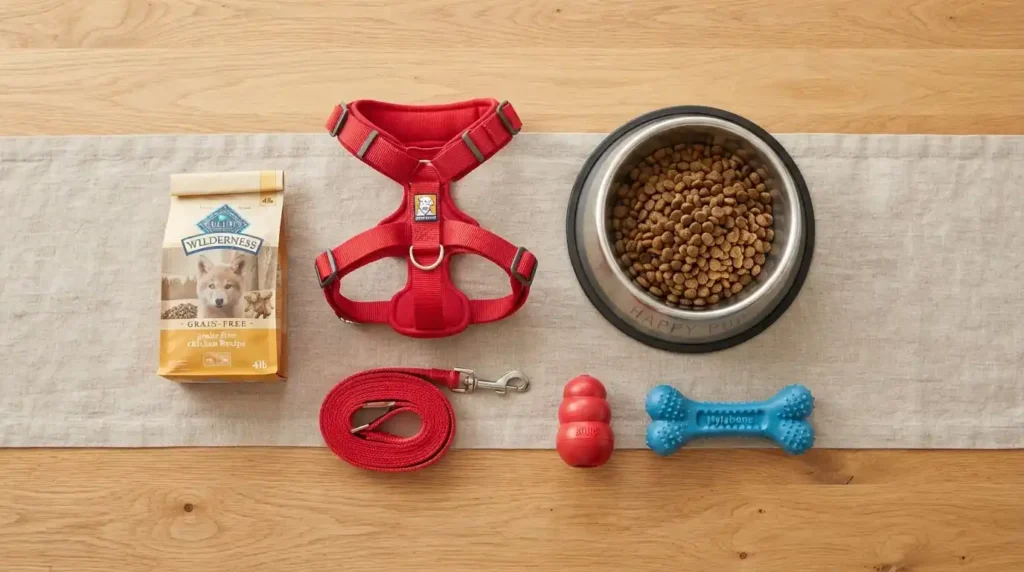
Buy this before the puppy arrives.
1. Crate
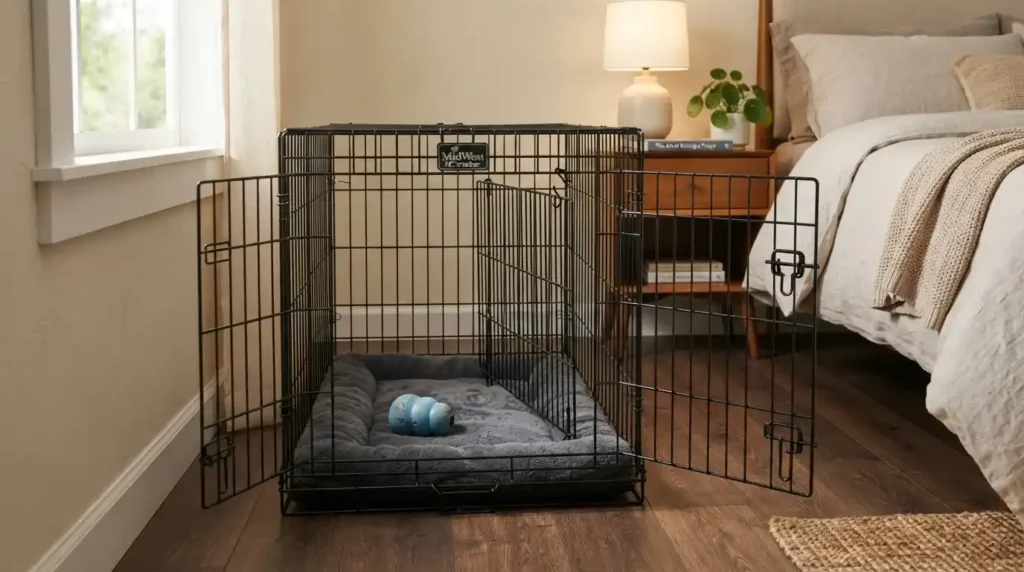
Get one sized for an adult golden, about 36 inches, and add a divider panel while the puppy is small.
A crate with no divider gives the puppy room to soil one corner and sleep in another.
See the AKC’s crate training guide for sizing and setup.
2. Food
Use a large-breed puppy formula, not adult food and not a generic all-life-stages bag.
Diamond Naturals Large Breed Puppy and Royal Canin Golden Retriever Puppy both control growth rate to protect developing joints.
Ask the breeder or shelter what the puppy already eats and buy that first. Switch foods later, over at least 7 days.
3. Leash and Harness
Use a front-clip harness instead of a retractable leash.
It gives more control for a dog that reaches 55 to 75 pounds and teaches loose-leash walking from week one.
Remaining gear:
- Stainless steel or ceramic food and water bowls
- A flat collar with an ID tag, separate from the harness
- Baby gates for room-by-room access
- Enzymatic cleaner for accidents (regular cleaners leave the scent marker behind)
- A crate mat or washable bed
- Puppy toothbrush and dog-safe toothpaste
- An undercoat rake for the double coat, not just a slicker brush
- A puzzle feeder or slow-feed bowl
- A few chew toys in different textures, plus one soft comfort toy
Puppy-Proofing, Room by Room
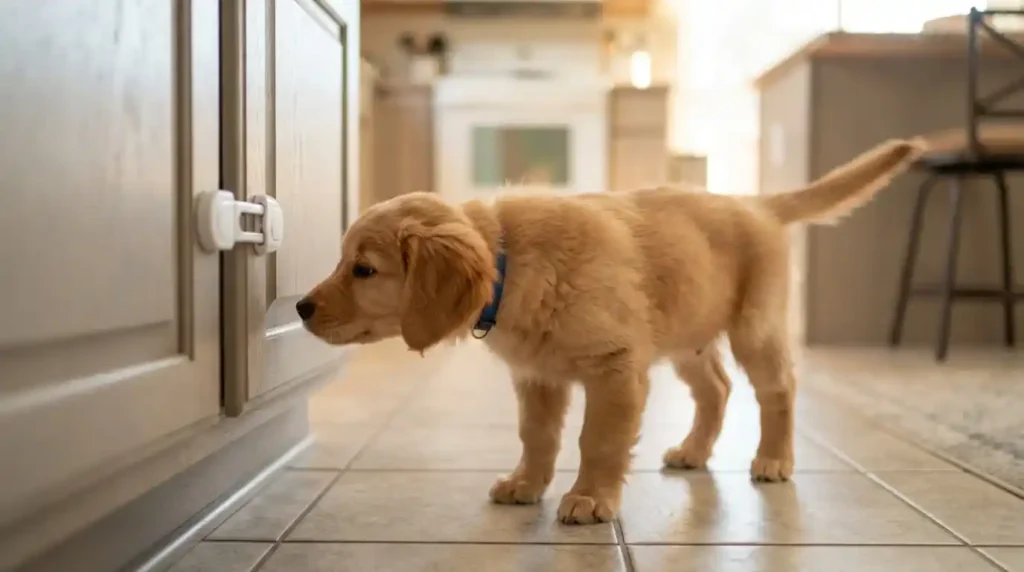
Golden retriever puppies explore with their mouths.
The ASPCA’s list of toxic and non-toxic plants names grapes, xylitol, and several common houseplants as frequent sources of pet poisoning, and most cases happen in the first few months of ownership.
- Kitchen: Use trash cans with locking lids. Move cleaning supplies to a high shelf, not just a low cabinet; puppies learn to nose open cabinet doors within weeks.
- Living room: Bundle and tape down loose cords. Remove or raise anything chewable at nose height, including phone chargers and remote controls.
- Bathroom: Keep the toilet lid down. Store medications behind a childproof latch. One dropped pill is enough for an emergency vet visit.
- Yard: Check the fence line for gaps a small puppy could fit through. Check the plant list for lilies, sago palm, and azaleas.
Re-check each room every few weeks. The puppy grows taller and bolder fast.
The First 48 Hours

Keep the first two days quiet. Limit visitors. Skip the pet store trip on day one. Let the puppy sleep, eat, and explore one or two rooms at a time.
Expect at least one indoor accident even with a good routine.
Expect some whining for the first 3 to 5 nights while the puppy adjusts to sleeping away from littermates.
A crate near the bed for the first week reduces this.
Feed on the same schedule the puppy already had. A new home, a new schedule, and a new diet at the same time is a lot for a small body.
The 8 to 16 Week Socialization Window
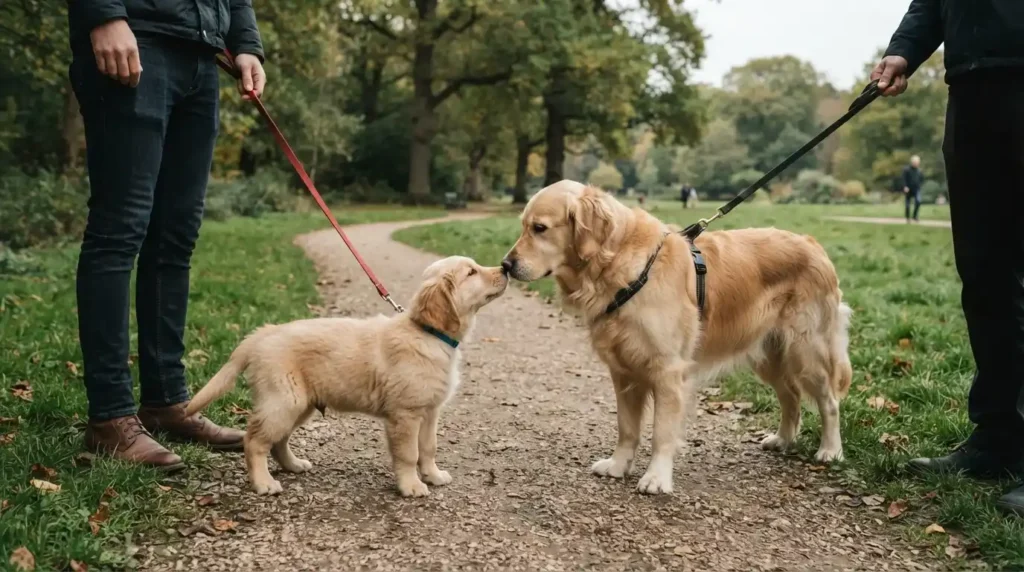
Between 8 and 16 weeks, a puppy’s brain treats new experiences as normal rather than threatening.
Most checklists mention this window in one line. It needs its own plan.
Vets differ on timing. Waiting until vaccines are fully complete avoids exposure to parvo and other diseases, which matters in high-risk areas.
It also uses up most of the socialization window before it starts.
Most vets now recommend controlled exposure during this period: vaccinated adult dogs and low-risk spaces, while skipping dog parks and unknown-dog areas until the vaccine series ends.
Quick comparison
| Approach | Best for | Benefit | Limitation |
|---|---|---|---|
| Wait until fully vaccinated | High-risk areas, cautious owners | Minimizes disease exposure | Misses most of the 8 to 16 week window |
| Controlled early exposure | Most households | Builds a confident adult dog | Requires screening who and what the puppy meets |
| Puppy socialization class | Owners without safe contacts | Structured, supervised exposure | Costs $100-200, limited slots |
Day-by-day plan:
- Week 1 at home: new surfaces (tile, grass, gravel), household sounds (vacuum, doorbell)
- Week 2: car rides, meeting 1 or 2 vaccinated adult dogs
- Week 3: different people: men, kids, someone in a hat, someone in sunglasses
- Week 4: quiet public spaces, carried if the vaccine series isn’t finished
- Ongoing: 1 new experience most days, kept short
Vet Visits and Vaccine Timeline
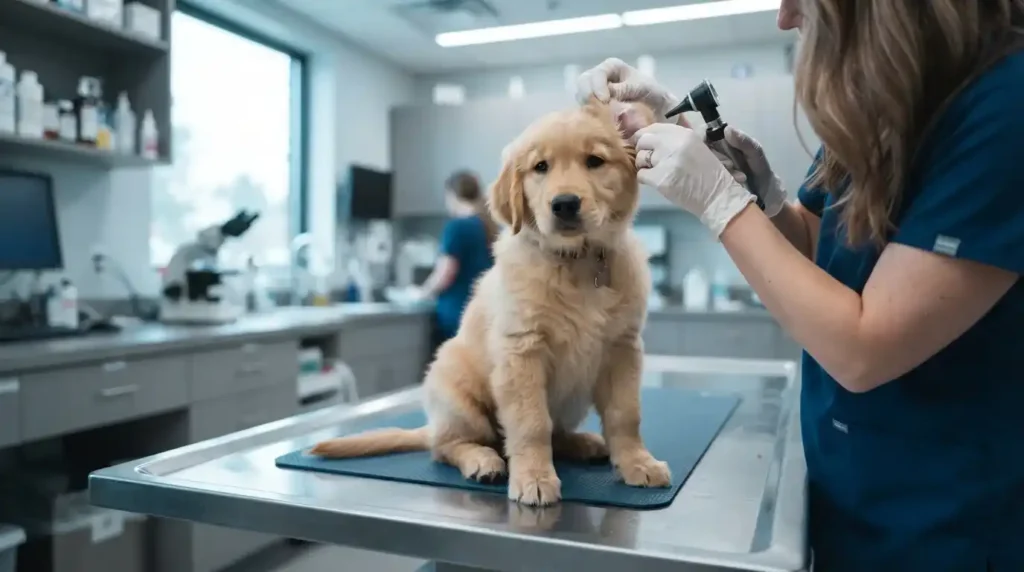
Vaccines start at 6-8 weeks and repeat roughly every 3 to 4 weeks until 16 weeks, under most veterinary protocols.
Schedule the first vet visit within 48-72 hours of pickup, even if the breeder already started the vaccine series.
This confirms the puppy is healthy and sets the paper trail for the rest of the series.
Flag these with the vet early: floppy-ear infections (check weekly, ears trap moisture), hip and elbow dysplasia screening as the puppy grows, and exercise limits while growth plates are open.
A common guideline is 5 minutes of structured exercise per month of age, twice a day, until full grown.
Confirm exercise and health guidance with your own veterinarian; this is not medical advice for a specific puppy.
First 30 Days: Cost
U.S. pet owners spent $152 billion on pet products in 2024, according to the American Pet Products Association’s industry trends data.
A rough first-month range:
- Initial gear (crate, harness, bowls, bed, toys): $150-350
- Food for the first month: $40-70
- First vet visit plus remaining vaccines: $150-300
- Puppy training class (optional): $100-200
Total: roughly $440-920 for the first 30 days, before unplanned vet visits. Some sites quote under $300 for the same list.
Others quote over $1,000. The gap usually comes from whether training classes and the full vaccine series are included; the estimate above includes both.
FAQs
What’s the most important item on a golden retriever puppy checklist?
A correctly sized crate with a divider panel. It supports housetraining, safe confinement, and travel from day one.
How do I socialize a puppy before vaccines are finished?
Stick to vaccinated adult dogs and low-traffic public areas. Skip dog parks until the vaccine series is complete.
Should I switch my puppy’s food right away?
No. Keep the breeder’s or shelter’s food for at least the first week, then switch gradually over 7 or more days if needed.
When should I schedule the first vet visit?
Within 48-72 hours of bringing the puppy home, even if the breeder already started vaccines.
Why does my golden retriever puppy need ear checks so often?
Floppy ears trap moisture and debris, which raises infection risk compared to prick-eared breeds.
Conclusion
A golden retriever puppy needs 4 things in the first 30 days: the right gear, a puppy-proofed home, an on-schedule vaccine plan, and daily socialization during the 8 to 16 week window.
Buy the crate, food, and harness before pickup day. Puppy-proof room by room the week before.
Book the first vet visit within 72 hours. Start socialization in week 1, not after the vaccine series ends.
Miss the gear, and you can fix it in an afternoon. Miss the socialization window, and there’s no afternoon fix for it later.