

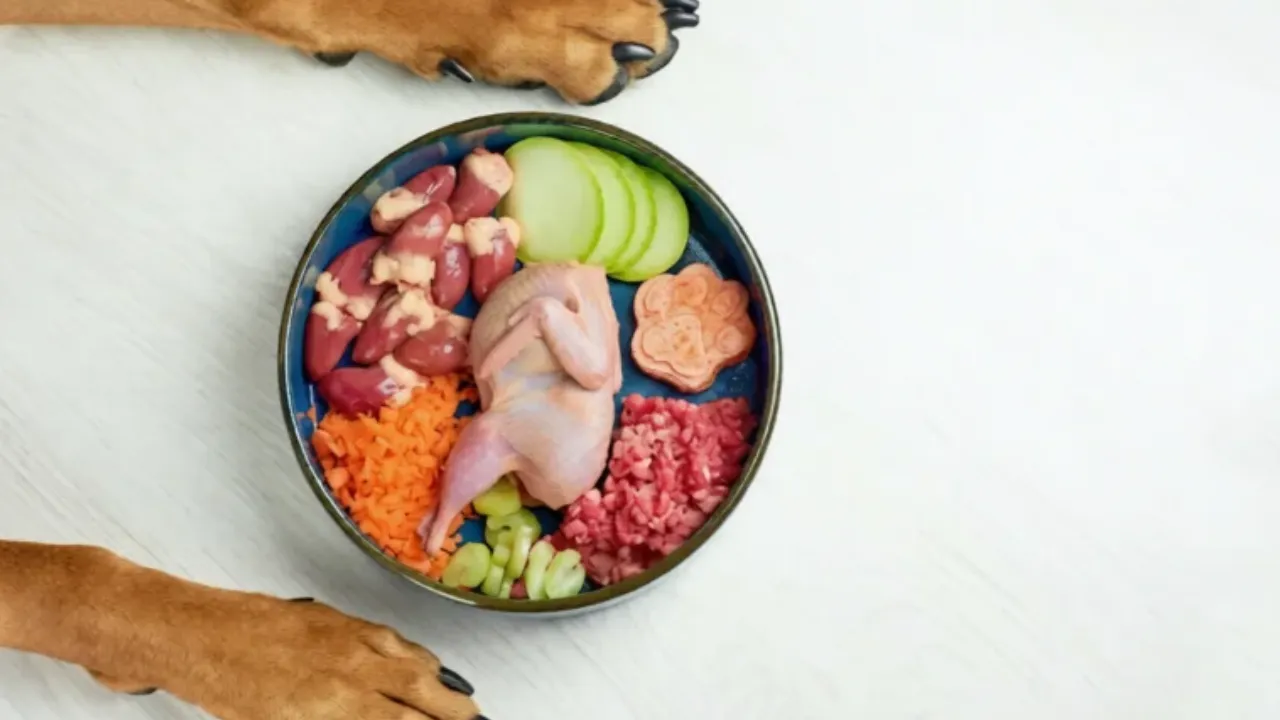
This guide covers healthy Golden Retrievers at all life stages. It does not address dogs with kidney disease, cancer, or other conditions requiring therapeutic diets — always work with your vet for those cases.
By the author: Tommy Nelson
You flip the bag over and see “22% crude protein.” But how much is that — actually — for your 30-kilogram dog?
That’s the question almost every Golden Retriever owner hits eventually, and almost nobody answers it directly.
But we will.
What “Daily Protein” Actually Means for a Golden Retriever
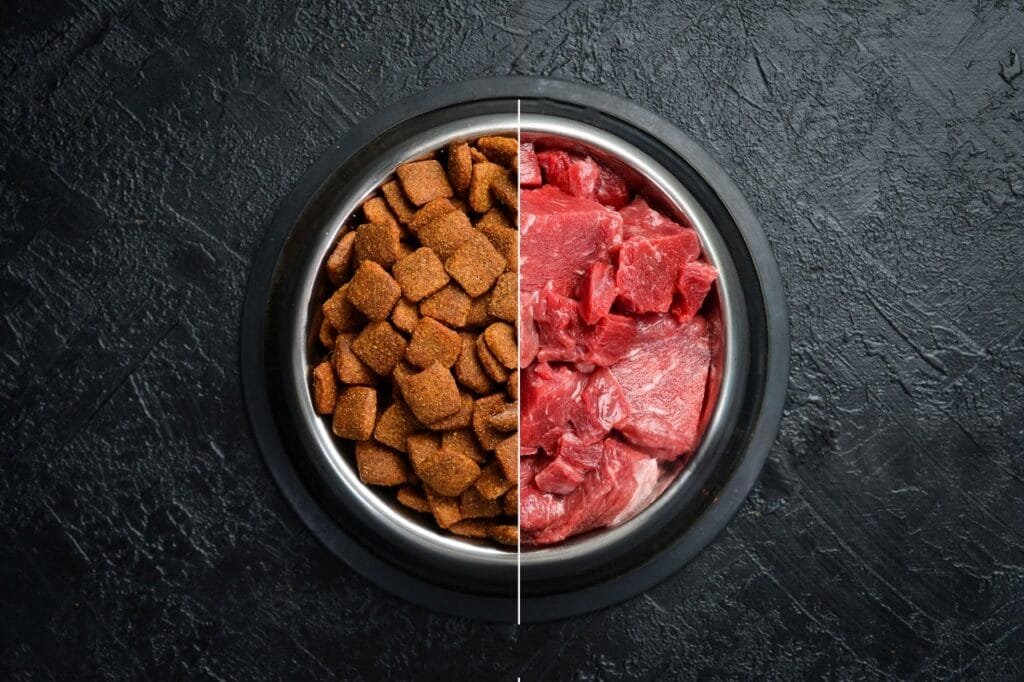
How much protein does a Golden Retriever need daily depends on three things working together: body weight, life stage, and the quality (bioavailability) of the protein source in the food.
No single percentage covers all three.
According to AAFCO’s 2023 nutrient profiles, adult dogs need a minimum of 18% crude protein on a dry matter basis.
FEDIAF puts this in more useful terms: at least 52 grams of protein per 1,000 kcal of food consumed.
But here’s what most guides won’t say outright — a dog eating too little food can still be protein-deficient even on a 28% protein formula, because total grams depend on total calories eaten.
The practical number most healthy adult Goldens need falls between 75 and 100 grams of digestible protein per day, based on a typical body weight of 25–35 kg and moderate activity.
That’s the anchor. Everything below refines it.
Quick Note: This is digestible protein — not the crude protein percentage on the label. We’ll explain the difference and how to calculate your dog’s actual intake in the section below.
Daily Protein by Life Stage: The Numbers You Actually Need
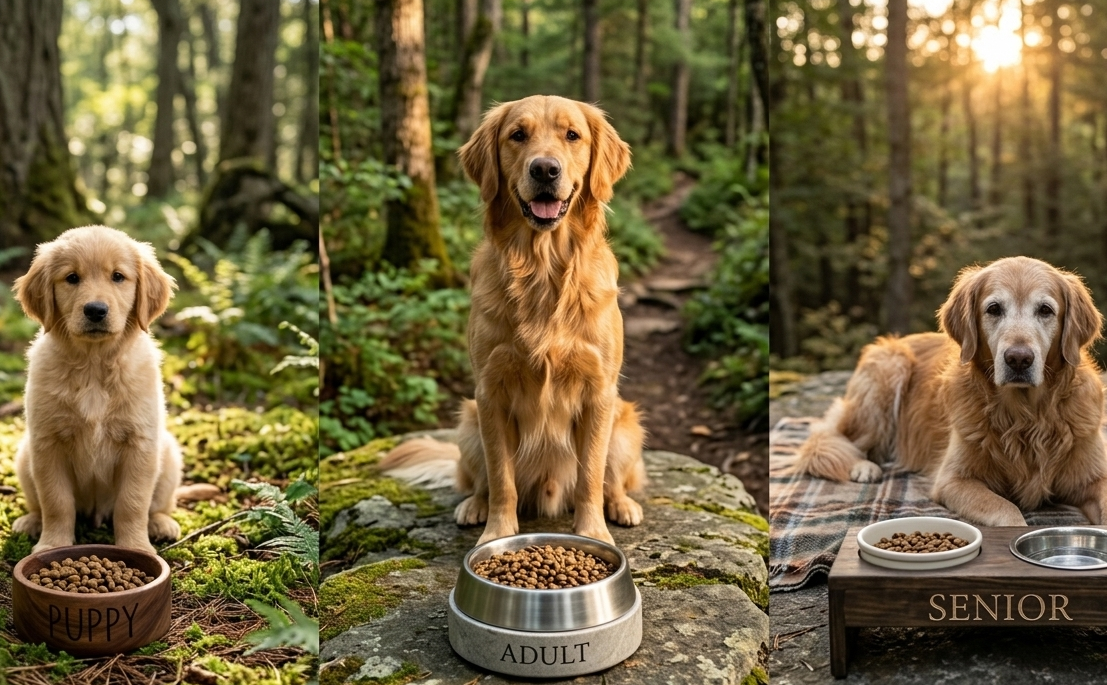
The single biggest variable isn’t breed or brand — it’s life stage.
Puppies (8 weeks to 12 months)
Golden Retriever puppies need more protein per kilogram of body weight than adults do, because they’re depositing muscle, building organs, and developing bone simultaneously.
AAFCO sets the minimum at 22.5% crude protein (dry matter) for growth-stage foods. Real-world recommendations from veterinary nutritionists land higher — around 22–28% protein in the diet,
which translates to roughly 8–10 grams of protein per kilogram of body weight per day at peak growth phases.
A 12-week Golden puppy weighing 8 kg would need approximately 65–80 grams of protein daily.
At 6 months and 20 kg, that number climbs toward 120 grams before the growth rate starts slowing.
Large-breed puppy formulas matter here for more than just protein — they’re also calibrated for calcium-to-phosphorus ratios that support joint development.
Don’t use generic puppy food for a Golden past 8 weeks.
Adults (1 to 7 years)
Most moderately active adult Golden Retrievers (27–34 kg) need between 75 and 95 grams of digestible protein per day.
Using FEDIAF’s energy-based formula and a typical intake of 1,400–1,600 kcal/day, that works out to roughly 2.5–3.5 grams of protein per kilogram of body weight daily.
Or maybe I should say it this way: if your Golden weighs 30 kg, you’re aiming for 75–105 grams of protein from food every single day. Not a percentage. Grams.
A highly active Golden — one doing agility, dock diving, or extended field work — moves toward the higher end, closer to 4 grams per kilogram. A largely sedentary adult stays near the lower end.
Seniors (7 years and older)
Here’s a counterintuitive finding: older dogs often need more protein per kilogram than younger adults, not less.
Research on sarcopenia (age-related muscle loss) in dogs shows that reduced protein intake accelerates muscle wasting in seniors, even when their overall calorie needs drop.
The practical target for a senior Golden is 1.2–1.8 grams of protein per kilogram per day from a highly digestible source — meaning real named meats, not by-products or plant protein as the primary source.
Many mainstream senior formulas drop below this threshold while also cutting calories, creating a compounding deficit.
Some experts argue that low protein protects aging kidneys.
That’s valid for dogs already showing renal insufficiency — the data doesn’t support protein restriction as a preventive measure in healthy senior dogs.
If your vet hasn’t flagged kidney markers on bloodwork, your 9-year-old Golden shouldn’t be on a protein-restricted diet.
How to Read a Dog Food Label and Calculate Real Protein Grams
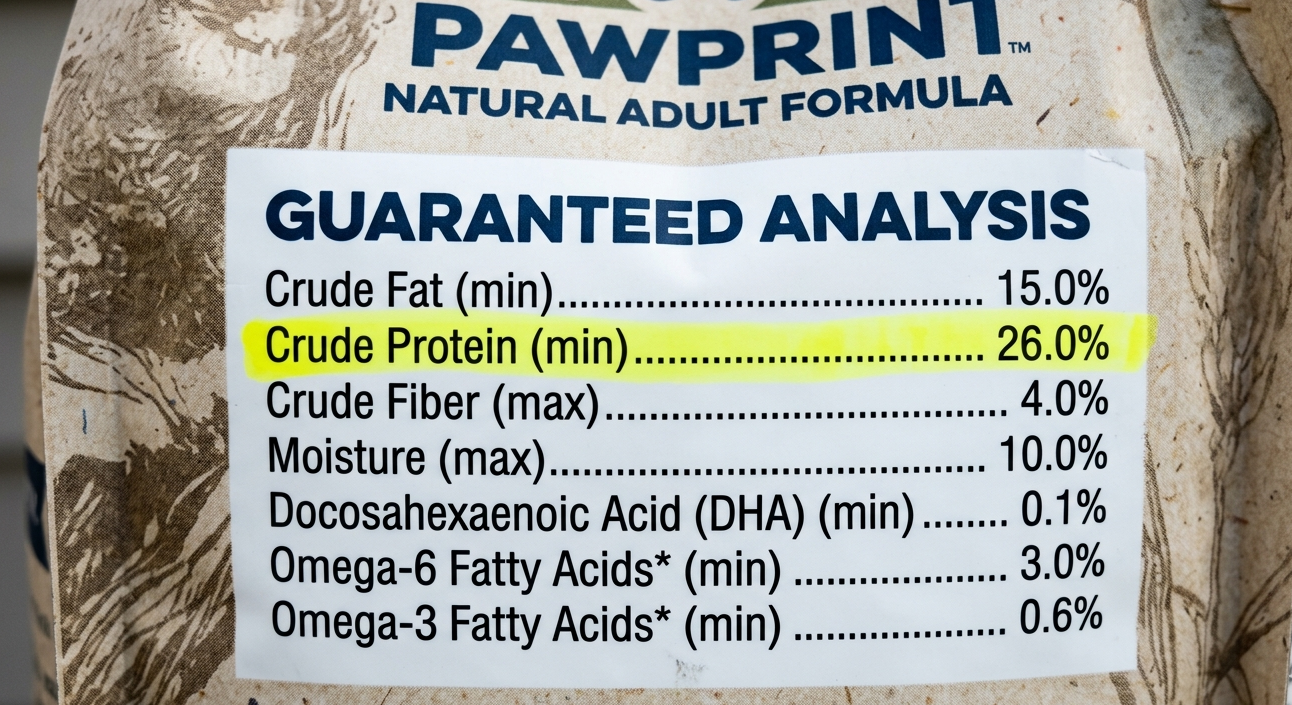
Most pet owners look at the crude protein percentage and stop there. That’s the first mistake.
To find out if your dog is actually getting enough protein:
- Find the crude protein % on the Guaranteed Analysis panel (e.g. 24%)
- Find the daily feeding amount in grams (weigh it — don’t trust the cup measurement)
- Multiply: if you feed 400g/day of a 24% protein food, that’s 96 grams of crude protein
- Subtract approximately 10–15% for digestibility losses (named meat proteins are closer to 85–90% digestible; plant proteins often lower)
- Compare the result to your dog’s target range from the table below
Quick Comparison
| Life Stage | Weight (kg) | Protein Target (g/day) | % in Food (DM) |
|---|---|---|---|
| Puppy (3–6 months) | 10–20 kg | 80–120 g | 26–28% |
| Adult (moderate activity) | 27–34 kg | 75–95 g | 22–25% |
| Active adult | 27–34 kg | 95–120 g | 25–30% |
| Senior (7+ years) | 27–34 kg | 65–80 g | 22–25% (high digestibility) |
Dry matter percentages assume 10% moisture (kibble). Wet food labels need conversion — divide % by the dry matter fraction first.
Why Golden Retrievers Specifically Need High-Quality Protein Sources
This section matters more for Goldens than for most breeds.
The Morris Animal Foundation’s Golden Retriever Lifetime Study — the largest prospective canine health study in the U.S., tracking 3,044 dogs since 2012 — found that 75% of documented Golden Retriever deaths in the cohort were linked to cancer.
That’s not a reason to panic, but it’s a reason to take nutrition seriously as a long-term health lever.
Protein plays a direct role in immune function, and the source of that protein affects bioavailability and inflammatory load.
Diets high in named animal proteins (chicken, salmon, turkey as the first ingredient) deliver essential amino acids more completely than those relying on pea protein, lentils, or potato protein as primary sources.
I’ve seen conflicting data on whether high-protein diets specifically reduce cancer risk in dogs — some studies suggest benefit from reducing dietary carbohydrates relative to protein and fat, others are inconclusive.
My read is this: the evidence for quality protein (bioavailable, named-meat sources) supporting immune function is solid.
The evidence for excess protein doing more good is weaker. Hit the target range with quality sources — that’s the defensible position.
Look — if your Golden is between ages 1 and 6 and currently on a food where the first ingredient is a grain or legume, that’s the single most actionable change you can make to the protein side of their diet.
Three Dog Food Brands Worth Knowing (And What to Actually Look For)
Royal Canin Golden Retriever Adult is formulated specifically for this breed’s body condition and coat needs.
Protein sits around 26% dry matter, with chicken as the primary source.
It’s a solid middle-ground option and widely vet-recommended — though it’s not a high-protein formula by current standards.
Orijen Original sits at approximately 38% protein on a dry matter basis, with 85% animal-based ingredients including whole prey ratios.
For highly active Goldens or those struggling to maintain muscle mass, it’s worth considering — though the higher protein density means smaller feeding volumes, and some dogs need an adjustment period.
Hill’s Science Diet Large Breed Adult comes in around 20% dry matter protein — near AAFCO’s minimum, well below optimal for an active Golden.
It’s a useful baseline comparison: if your dog is on this or anything similar and showing low energy or poor coat condition, protein is a reasonable first variable to adjust.
None of these are paid mentions. Always verify current formulations with manufacturers — recipes change.
Protein and Golden Retriever Health: What Most Guides Skip
Most protein articles treat Golden Retrievers as just another large breed. They’re not.
Goldens are prone to hip and elbow dysplasia, obesity, hypothyroidism, and — as noted above — an exceptionally high cancer rate.
Each of these conditions interacts with protein needs in a specific way.
For joint health: adequate protein supports the muscle mass that protects the hips and elbows. Under-muscled joints wear faster. This is especially relevant for Goldens over age 5.
For weight management: protein is more thermogenic than fat or carbohydrate and supports satiety.
A higher-protein, moderate-calorie diet can help maintain lean mass while reducing body fat, which matters because obesity is independently linked to inflammation and cancer risk.
For hypothyroidism (which affects roughly 1 in 10 Goldens): impaired thyroid function can reduce the efficiency of protein metabolism.
Dogs on thyroid medication may have slightly higher protein requirements — another reason regular vet bloodwork matters.
FAQs
What’s the best protein percentage for an adult Golden Retriever’s food?
Aim for 22–28% crude protein on a dry matter basis for most adult Goldens. Active dogs benefit from the higher end. What matters more than percentage is the protein source, named meats first.
How do I know if my Golden Retriever isn’t getting enough protein?
Watch for poor coat quality, muscle loss over the hindquarters, low energy, or slow wound healing. These often appear before bloodwork shows a deficiency. A vet nutrition check is the most reliable way to confirm.
Should I feed my senior Golden Retriever a low-protein diet?
Not unless your vet has identified kidney disease. Healthy senior Goldens need at least as much protein per kilogram as young adults — muscle loss accelerates if you cut protein as they age.
When should I switch my Golden Retriever from puppy to adult food?
Around 12–15 months for most Goldens, once skeletal growth slows. Transition over 7–10 days to avoid digestive upset. Puppy foods have higher protein and calcium — staying on them too long can create imbalances.
Why does my Golden Retriever need more protein than the dog food bag suggests?
Feeding guides on bags are minimums based on average dogs. Goldens are active, large-breed dogs with specific muscle maintenance and immune support needs. The bag’s cup recommendation is a starting point — actual protein grams matter more.
Conclusion
Your Golden needs 75–95 grams of digestible protein daily as a healthy adult. Puppies need more. Seniors need quality, not less.
The percentage on the bag doesn’t tell you that. Grams do.
Weigh one day’s serving, multiply by the crude protein percentage, and reduce by 12% for digestibility. Compare it to the target table above. That’s it — two minutes, done.
Given that 75% of Golden Retriever deaths in the Morris Animal Foundation’s lifetime study were cancer-linked, nutrition is one of the few levers you actually control. Use it.
Check your dog’s food today:
- Grab your dog’s food bag and find the crude protein percentage
- Weigh one day’s serving in grams (don’t estimate — use a kitchen scale)
- Multiply the two numbers, then reduce by 12% for digestibility
- Compare your result to the target range for your dog’s life stage in the table above
If the number falls short — or if you’re not sure it’s from the right type of protein — that’s your starting point.
Have a question about your specific dog’s protein needs? Drop it in the comments — or better yet, take the numbers from this guide to your next vet appointment. A five-minute conversation with your vet about your dog’s protein intake and muscle condition is one of the most underused tools in long-term Golden Retriever health.
